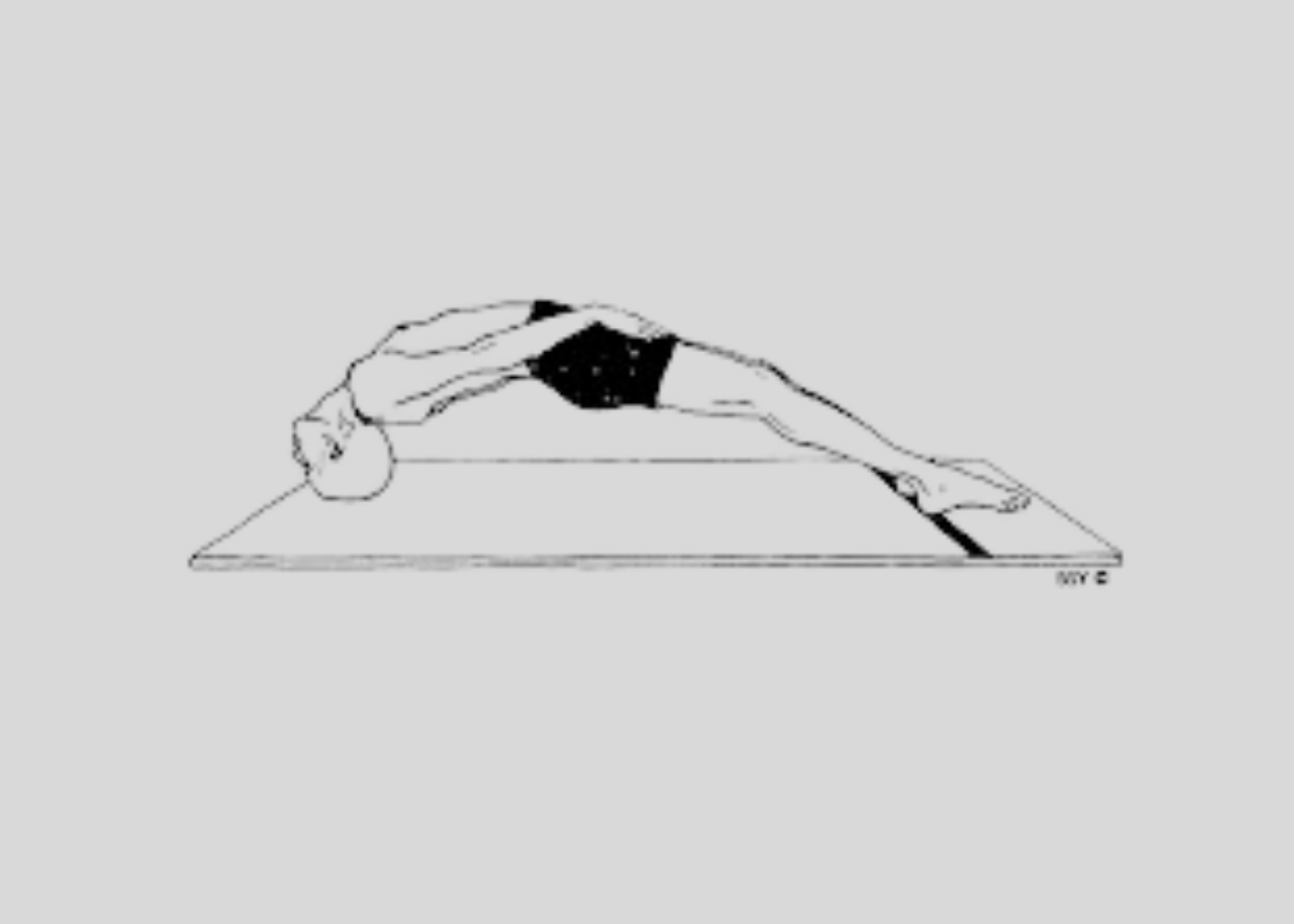
The ancient practice of yoga, which aims to balance the mind, body, and spirit, offers a wide range of asanas, or postures, that promote mental clarity, physical flexibility, and spiritual enlightenment. Because of its many advantages, Sirshapada Bhumi Sparshasana, also known as “Head-to-Foot Earth Touch Pose,” occupies a distinct place among them. In addition to testing the practitioner’s flexibility, this pose fosters a strong bond with the soil, signifying rootedness and humility.
This article explores the history, practice, advantages, and safety measures of Sirshapada Bhumi Sparshasana, revealing its relevance to contemporary yoga.
Origins and Philosophy
Sirshapada’s name The Sanskrit terms Sirsha (head), Pada (foot), and Bhumi Sparsha (touching the earth) are the origins of Bhumi Sparshasana. The yoga concept of surrender and reverence for the natural world, especially the ground, which is the source of life, is embodied in this pose. Such forward-bending poses have long been used to increase physical flexibility and represent submitting to a greater power, whether it is the deity, nature, or the self.
This posture, which has its roots in Hatha Yoga traditions, combines aspects of mindfulness, flexibility, and balance. It is in line with the yogic concept of bringing the prana (life energy) within oneself into harmony.
How to Practice Sirshapada Bhumi Sparshasana
This pose necessitates a slow approach, especially for novices, because it calls for a great deal of shoulder, hamstring, and spine flexibility. Observe these detailed instructions:
1. Preparation:
- Start by standing straight, keeping your feet together, keeping your arms at your sides, and taking deep breaths while in Tadasana (Mountain Pose).
- Stretch lightly or do dynamic poses like Surya Namaskar (Sun Salutation) to keep your body warm.
2. Initiating the Pose:
- Take a deep breath and lengthen your spine by raising your arms overhead.
- With your back straight, tilt forward from the hips and bring your hands down towards the floor as you release the breath.
3. Achieving the Full Posture:
- With your hands flat on the floor next to your feet, slowly pull your head closer to your knees or shins until your forehead touches your legs.
- To guarantee controlled movement, contract your quadriceps and extend your hamstrings.
- To create the symbolic “head-to-foot” link, move the top of your head closer to your feet if your range of motion permits.
4. Holding the Pose:
- For 15 to 30 seconds, hold the pose while paying attention to your breathing and maintaining a relaxed state of mind.
- As your flexibility increases, gradually extend the duration.
5. Returning to Neutral:
- Taking a breath, slowly and deliberately raise your torso back to the standing position.
check out our course yoga teacher training in India
Benefits of Sirshapada Bhumi Sparshasana
There are several mental, spiritual, and physical advantages to doing this pose:
1. Physical Benefits:
- Enhances flexibility in the spine, hips, and hamstrings.
- Stimulates blood flow to the brain, improving mental clarity and reducing fatigue.
- Strengthens the legs and tones the abdominal muscles.
- Relieves tension in the lower back, making it particularly beneficial for those with sedentary lifestyles.
2. Mental and Emotional Well-Being:
- Encourages mindfulness and a meditative state by focussing on breath control.
- Reduces stress and anxiety through the calming effect of the forward bend.”
3. Symbolic and Spiritual Connection:
- Represents humility, as bowing the head symbolizes surrender and gratitude.
- Reinforces the yogic principle of grounding, promoting a sense of balance and stability in life.”
Precautions and Modifications
Although the posture has several advantages, it must be used carefully to prevent strain or injury:
1. Avoidance for Certain Conditions:
- Individuals with severe back issues, sciatica, or hernia should refrain from practicing this pose unless guided by an expert.
- Pregnant women should avoid deep forward bends.”
2. Modifications for Beginners:
- Use yoga blocks under your hands if touching the ground is challenging.
- Bend your knees slightly to ease tension in the hamstrings and gradually work towards a full extension.”
3. Focus on Alignment:
- Always hinge from the hips, not the waist, to protect the lower back.
- Keep your breathing rhythm constant and organic.
Incorporating Sirshapada Bhumi Sparshasana in Your Practice
Include this pose in a well-rounded yoga practice that consists of warm-up, energetic postures, and relaxation to get the most out of it. To increase flexibility and deepen your practice, combine it with complementing poses like Adho Mukha Svanasana (Downward-Facing Dog) or Paschimottanasana (Seated Forward Bend).
Conclusion
A profound yoga pose, Sirshapada Bhumi Sparshasana encourages practitioners to test their physical boundaries while cultivating inner serenity and thankfulness. This pose serves as a reminder of our connection to nature by tying the head to the feet and the body to the ground. It provides a path to improved wellbeing and spiritual development with regular practice and thoughtful implementation.
Allow this lovely pose to enhance your life on and off the mat by embracing it with patience and respect for your body’s journey.
learn to know more so you can visit join 200 hour yoga teacher training in rishikesh and 300 hour yoga teacher training in rishikesh